

[Editor's note: This article was originally published in 2018, but has been edited in 2026 for comprehensiveness and accuracy.]
The holidays bring family, food and time off. For the roughly 39 million Americans living with migraine, they also bring a pileup of triggers: late nights, travel, rich meals, crowded stores and a schedule that changes every day.Most triggers don't act alone. One late night may not set off an attack, but a late night plus a skipped breakfast plus a glass of wine can. The goal this season isn't to avoid every trigger. It's to keep enough of them in check that you stay below your threshold.
Not sure what your triggers are? Start tracking now. A few weeks of notes on sleep, meals, drinks, stress and attacks will show you where to focus, and triggers can change over time.
1. Holiday stress
Stress is the most commonly reported migraine trigger, named by about 70% of people with migraine. The holidays stack shopping, hosting, travel and family tension into a few weeks.
Shop online or early, split cooking and gift lists with family, and cap how many events you say yes to. Build a short daily break into your schedule for deep breathing or meditation, or take a walk.
2. The "let-down" after the stress ends
Many people make it through a hectic December, then get an attack on the first day off. Researchers call this a let-down migraine: a 2014 study in Neurology found attack risk rose in the hours after people's stress levels dropped.
Instead of running flat out and then crashing, wind down gradually. Keep your usual sleep, meal and caffeine routine through the first days of vacation.
3. Irregular sleep
Late parties, early flights and guest beds throw off sleep, and both too little and too much sleep can bring on an attack. The migraine brain likes a steady schedule.
Keep your wake-up time within about an hour of normal, even after a late night, and aim for 7 to 8 hours. Avoid long naps. Pack earplugs and an eye mask for unfamiliar rooms.
4. Skipped or delayed meals
Going too long without food is one of the most consistent migraine triggers. Holiday meals often run late or replace lunch entirely. Eat breakfast, and keep a snack with some protein on hand so you don't arrive at a 3 p.m. dinner running on empty.
Specific foods are less clear-cut. Aged cheese, cured meats, MSG and aspartame are common suspects, and if your diary points to one, skip it. But the evidence against chocolate is weak: craving it is often an early sign of an attack that has already started. Don't cut foods just because they appear on a list.

5. Alcohol
In a study of more than 2,000 people with migraine, about a third reported alcohol as a trigger, most often red wine. Yet only about 9% of red wine drinkers said it set off an attack every time. Whether it does likely depends on what else is going on that day.
Know your limit, alternate each drink with water, and avoid drinking on an empty stomach or after a short night.
6. Changes in caffeine
Sleeping in and skipping your usual morning coffee can bring on a caffeine-withdrawal headache. So can a big jump in coffee during long shopping days. Keep your intake steady and at roughly the same time each day. Our guide to caffeine and migraine explains how much is too much.
7. Dehydration
About one in three people with migraine say dehydration is a trigger. Dry indoor heat, air travel, alcohol and busy days all make it easy to fall behind.
Carry a water bottle, sip throughout the day, and add a glass of water for every alcoholic drink. Refill before every car trip; traffic jams don't come with water.
8. Bright and flickering lights
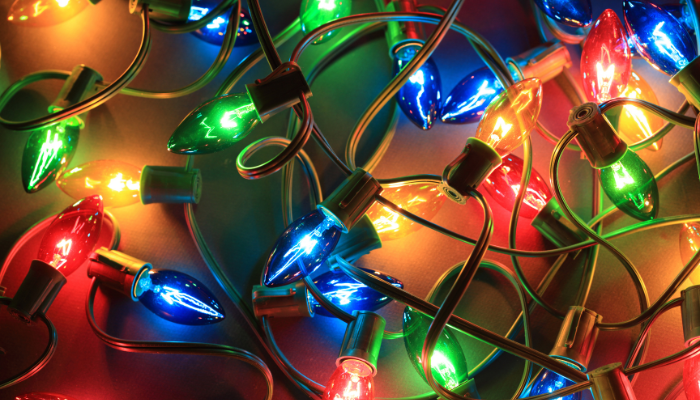
Twinkling lights, glaring store displays and winter sun on snow can all trigger an attack in people sensitive to light. Set your own lights to a steady, non-flashing mode, and ask hosts if they'd do the same while you're there. Wear sunglasses outdoors and shop during daylight hours.
9. Strong scents
Scented candles, perfume, pine, cleaning products and cooking smells fill holiday homes. Ask hosts ahead of time about keeping fragrances to a minimum, sit near a door or window, and step outside for fresh air when you need to.
10. Overusing pain relievers
When attacks pile up, it's tempting to take something every day. But taking triptans or combination pain relievers on 10 or more days a month, or ibuprofen or acetaminophen on 15 or more, can cause medication overuse headache, which makes attacks more frequent. If you need acute medication more than twice a week, talk with your doctor about prevention.
stay ahead of holiday migraines
Before you travel, pack your medications in your carry-on with enough for the whole trip plus a few extra days. Add a water bottle, protein snacks, sunglasses, earplugs, an eye mask and a cold pack. Map out quiet places to rest wherever you're staying.
Regular exercise also helps. Just warm up slowly, eat beforehand, and stay hydrated, since hard exercise without preparation can trigger an attack.
When to see a migraine specialist
If you have migraine on four or more days a month, or attacks keep you from work and family events, lifestyle changes alone may not be enough. Supplements such as magnesium and riboflavin have modest evidence for prevention; ask your doctor before starting them. Specialists can also offer prescription medications, Botox® for chronic migraine, and, for the right patients, migraine surgery.

Frequently Asked Questions
Why are migraines worse during the holidays?
The holidays combine several common triggers at once: stress, late nights, irregular meals, alcohol, travel and changes in caffeine. Each one alone may not cause an attack, but together they can push you past your migraine threshold.
Why do I get a migraine on the first day of vacation?
This is often called a let-down migraine. Research shows attack risk rises in the hours after stress levels drop. Winding down gradually and keeping your usual sleep, meal and caffeine routine through the first days off can help.
Can Christmas lights trigger a migraine?
Yes, for people sensitive to light. Flashing or twinkling lights and bright displays are common triggers. Set lights to a steady mode, ask hosts to do the same, and wear sunglasses outdoors.
Does red wine always trigger a migraine?
No. About a third of people with migraine report alcohol as a trigger, most often red wine, but only about 9% say red wine causes an attack every time. Other factors that day, such as poor sleep or a skipped meal, often play a role.
Is chocolate a migraine trigger?
The evidence is weak. Controlled studies have not shown that chocolate causes attacks. Craving chocolate is often an early symptom of a migraine that has already started, which may be why it gets blamed.
When should I see a doctor about my migraines?
See a migraine specialist if you have migraine on four or more days a month, need pain relievers more than twice a week, or miss work and family events because of attacks. Effective preventive treatments are available.