
[Editor's note: This article was originally published in November 2013 and has been updated for accuracy and comprehensiveness.]
Migraines are far more than ordinary headaches. As a chronic neurological condition, migraine affects roughly 39 million Americans, causing throbbing pain, nausea, and sensitivity to light and sound that can sideline sufferers for hours or even days. While there is no single cause, research has consistently shown that certain lifestyle and dietary factors can trigger attacks in susceptible people.
Understanding which foods may be contributing to your migraines is one of the most practical steps you can take toward better management; and the science on this topic has grown considerably over the past decade.
Can Food Really Trigger a Migraine?
Yes. According to headache specialists, up to 50% of people who get migraines report having a food trigger.
That said, triggers are highly individual. A food that reliably provokes an attack in one person may have no effect on another. The elimination of suspected foods from the diet does not necessarily guarantee freedom from migraine attacks, which is why personalized tracking matters so much.
It's also worth clarifying an important nuance: during the prodrome phase (the warning period before a migraine begins), some people experience cravings for specific foods, particularly sweets or carbohydrates. This craving is now understood to be a symptom of the approaching migraine, not a cause of it. Eating those foods is not what triggers the attack; the migraine was already in motion. Recognizing this distinction helps prevent unnecessary food avoidance.
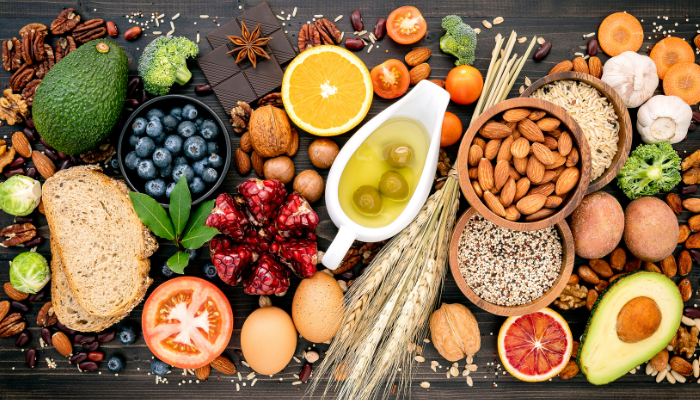
Common Dietary Migraine Triggers
The following categories represent the most consistently documented food-related triggers in current research:
Alcohol...especially red wine
Fermented alcohol like red wine contains histamines and the amino acid tyramine, both of which can trigger a migraine. Alcohol also leads to dehydration, which is itself a contributing factor.
Red wine is the most commonly reported alcoholic trigger, though the effect can depend on how much you've consumed and what other factors, like fatigue or stress, are also present.
Aged cheeses and fermented foods
Aged cheeses and pickled or fermented foods, including blue cheese, feta, Parmesan, smoked fish, pickles, kimchi, and soy sauce, contain tyramine, which can trigger migraines. The longer a cheese is aged or a food is fermented, the higher its tyramine content.
A 2023 systematic review found that the connection between tyramine-containing foods and migraine remains under study, and while some people report headaches after eating these foods, the evidence is still developing, making personal tracking especially important.

Caffeine
Caffeine has a genuinely complex relationship with migraines. For many migraine sufferers, caffeine is a paradox: it may trigger an attack when consumed or when a regular dose is skipped, but it can also help stop an attack already in progress. The latest science suggests caffeine's ability to trigger a migraine depends significantly on how much you habitually consume.
Gradual reduction is recommended for those who want to cut back, rather than stopping suddenly.
Cured and processed meats
Cured meats, including deli meats, ham, hot dogs, and sausages, contain preservatives called nitrates, which can release nitric oxide into the blood, thought to dilate blood vessels in the brain.
This makes them one of the more mechanistically understood food triggers on the list.
MSG (monosodium glutamate)
MSG has widely been linked as a trigger of headache, but the evidence for it as a direct causative agent is debated. Clinical trials have reported conflicting results, and many studies administered doses significantly higher than typical everyday consumption. Additionally, there are common misconceptions about which foods and cuisines contain MSG.
Rather than focusing only on certain cuisines, it helps to check ingredient labels on processed foods, snack foods, and condiments broadly, as MSG appears across many food categories.
Artificial sweeteners
Both the Mayo Clinic and American Migraine Foundation list artificial sweeteners, specifically aspartame, as a possible migraine trigger.
Research indicates that aspartame can trigger headaches in a small percentage of people, particularly those with a migraine history, and that the association is stronger at higher consumption levels. Aspartame is found in diet sodas, sugar-free gum, flavored drinks, and many "light" packaged foods.

Chocolate
Chocolate is frequently reported as a trigger, and it does contain both caffeine and beta-phenylethylamine. However, there isn't much strong evidence to suggest chocolate is a significant migraine trigger, or to clearly explain how it may provoke episodes.
It's worth tracking individually rather than assuming it's a problem for everyone.
Skipping meals and dehydration
While not foods themselves, irregular eating patterns and inadequate fluid intake are widely recognized dietary triggers. Fasting or going long stretches without food can destabilize blood sugar in ways that precipitate attacks for some people. Staying consistently hydrated is one of the simplest and best-supported strategies for reducing migraine frequency.
A Note on "Trigger Foods" vs. "Threshold"
Modern migraine science increasingly emphasizes the concept of a trigger threshold. A single food may not cause a migraine on its own, but when combined with other factors (poor sleep, stress, hormonal changes, or another dietary trigger) the cumulative effect crosses the threshold that sets off an attack. This is why a glass of red wine might be fine on a low-stress Tuesday but provoke a migraine on a busy Friday after a poor night's sleep.
Are There Foods That Help?
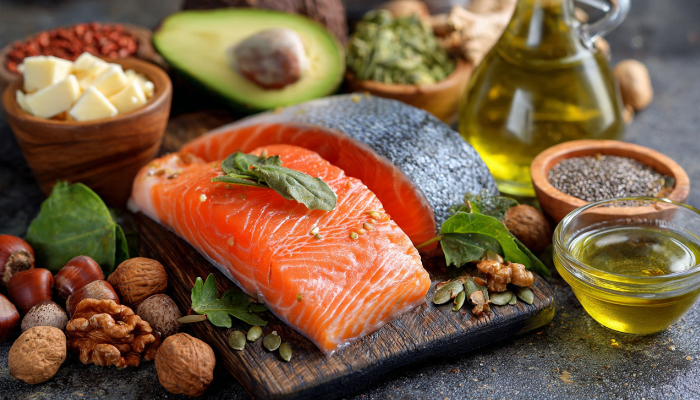
Newer research has also shifted attention toward dietary patterns that may reduce migraine frequency. Dietary interventions including omega-3 fatty acids, increased water intake, and adherence to the Mediterranean dietary pattern have shown potential for reducing migraine frequency and severity.
Research has demonstrated that individuals with migraines tend to exhibit lower magnesium levels, and higher dietary magnesium intake, from green vegetables, legumes, whole grains, seeds, and nuts, is associated with lower odds of migraine attacks.
Keeping a Migraine Diary
The most reliable way to identify your personal food triggers is to keep a detailed migraine diary. Record:
- Everything you eat and drink (within 24 hours before an attack)
- Sleep quality and duration
- Stress levels
- Hormonal factors (for women)
- Weather or environmental changes
- Medications taken
Patterns tend to emerge over weeks of consistent tracking, and that data becomes invaluable when working with your healthcare provider on a management plan.
Migraine management is rarely about eliminating one single food. It's about understanding your own unique profile of triggers and building habits that keep you well below your personal threshold. Working closely with a headache specialist gives you the best chance of identifying what's driving your attacks and developing a comprehensive, individualized plan. Schedule an evaluation with one of our headache specialists if you'd like help discovering your triggers and creating your own management plan.