
This guide explains what’s actually happening neurologically when smells trigger your migraines, which scents tend to be the worst offenders, and, most importantly, practical strategies for protecting yourself at home, at work, and in public.
What Is Osmophobia? (And Why Migraine Patients Experience It)
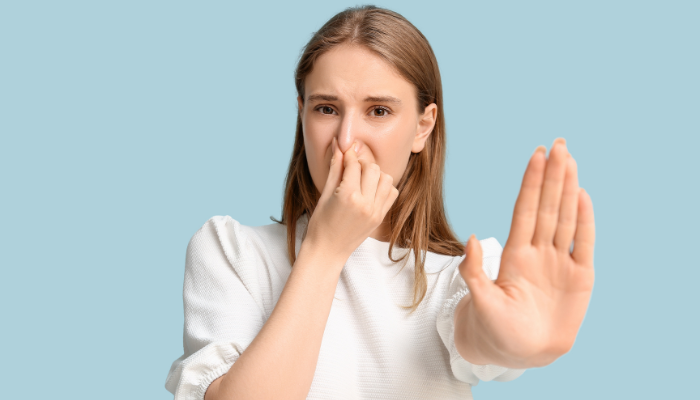
The clinical term for scent hypersensitivity in migraine patients is osmophobia, an intense aversion or hypersensitivity to odors that goes well beyond simply disliking a bad smell. Research published in 2024 found that 68% of migraine patients experience osmophobia, making it one of the most prevalent migraine symptoms. It’s now considered so strongly associated with migraine that some neurologists advocate for including it in formal diagnostic criteria.
What makes osmophobia distinct is that it can occur at any phase of a migraine: before the headache begins (during the prodrome), during the attack itself, and even between attacks in chronic migraine sufferers. Patients with osmophobia tend to experience longer migraine episodes and higher overall disability scores, meaning it’s not just an inconvenience. It’s a marker of migraine severity.
Interestingly, migraine patients with osmophobia don’t necessarily have a sharper sense of smell. In standardized odor detection tests, they actually score lower than healthy controls. What’s different is the reaction to smells. The brain interprets them as threatening or painful.
Why Do Smells Trigger Migraines? The Neuroscience
Current research points to the trigeminal nociceptive pathway as the key mechanism. The trigeminal nerve (one of the main cranial nerves) runs along the nose, mouth, and face and feeds directly into pain-processing centers in the brain. When certain odor molecules are detected, they can activate this pathway and trigger the same cascade of neurological events that produces a migraine attack.
Brain imaging studies add another layer: during odor-triggered migraines, researchers have observed increased activity in the rostral pons (a brainstem structure central to migraine pathophysiology), as well as in areas tied to emotional processing. This explains why scent reactions during a migraine can feel so visceral and distressing. It’s not psychological. The olfactory system is deeply wired into the brain’s pain and emotional networks.
The more chronic a person’s migraines become, the stronger these connections appear to grow, which may explain why osmophobia tends to worsen over time for some patients.
The Most Common Scent Triggers
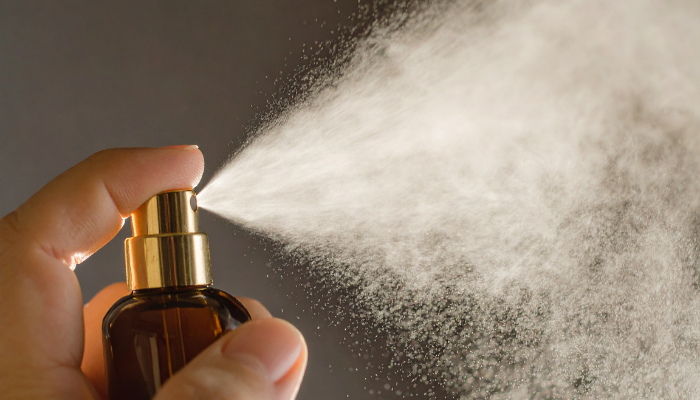
Not all smells provoke equal reactions, and triggers are highly individual, but research consistently identifies a cluster of odors that migraine patients report most frequently:
Chemical and Synthetic Fragrances
- Perfume and cologne (the #1 reported trigger across multiple studies)
- Floral-scented perfumes in particular
- Cleaning products and disinfectants
- Paint, solvents, and varnish
- Motor vehicle exhaust
- Cigarette and cigar smoke
- Hairspray and nail salon products
Food and Cooking Odors
- Garlic (reported by ~17% of patients)
- Grilled or fried fish (~16%)
- Coffee (~10%)
- Strongly spiced or fried foods
Environmental Scents
- Air fresheners and scented candles
- Scented laundry detergent and fabric softener
- New furniture, carpets, and building materials (VOC off-gassing)
- Gasoline
One important nuance: indoor exposure is consistently more problematic than outdoor exposure. A migraine patient who handles the smell of a nearby restaurant may be undone by cooking the same food at home. Enclosed spaces concentrate odors and extend exposure time. Studies suggest exposure lasting more than 15 minutes significantly increases the likelihood of triggering an attack.
Managing Scent Triggers at Home
Home is where you have the most control. Small changes can make a meaningful difference:
Switch to fragrance-free products
This means laundry detergent, fabric softener, dish soap, hand soap, shampoo, conditioner, body wash, and cleaning products. Many major brands now offer fragrance-free lines.
Improve ventilation
Run a kitchen exhaust fan while cooking, open windows when weather permits, and consider an air purifier for frequently used rooms, especially the bedroom. A quality HEPA air purifier can reduce airborne particles and lingering scents.
Eliminate air fresheners
Plug-in fresheners, scented candles, and aerosol sprays are among the most concentrated indoor scent sources. Opt for natural ventilation instead.
Be cautious with new materials
New furniture, paint, and renovation materials can off-gas VOCs for weeks or months. Ask about low-VOC or zero-VOC paints and finishes, and ventilate aggressively after installation.
Communicate with household members
Ask family members or roommates to use fragrance-free personal care products. Most people will switch without issue when they understand why it matters.

Managing Scent Triggers at Work
Managing migraine triggers in the workplace is trickier, but you have more options than you might think.
Request a fragrance-free policy
Many companies have implemented fragrance-free or scent-reduced policies. Approach this through HR as a medical accommodation. Documentation from your neurologist describing your triggers and their functional impact will strengthen your case considerably.
Know your ADA rights
Migraine disease can qualify as a disability under the Americans with Disabilities Act, which means employers may be required to provide reasonable accommodations, including workspace adjustments or a scent policy.
Negotiate your workspace
Request a desk away from high-traffic areas (near elevators or restrooms, where fragrances concentrate), a workspace near a window for better ventilation, or permission to work from home on high-exposure days.
Have a direct conversation with close colleagues
A kind, honest conversation with the people you work closest with can go a long way. Most people are willing to switch their hand lotion or skip the perfume if they understand it genuinely affects a colleague’s health.
Managing Scent Triggers in Public
Wear a well-fitting mask in high-risk environments
A well-fitted mask meaningfully reduces how much scent reaches you and is particularly useful in grocery stores, malls, or any space you know tends to be heavily fragranced.
Get fresh air quickly
If you encounter a triggering scent, stepping outside for even a few minutes can help your nervous system begin to settle. Distance and fresh air are the fastest available interventions.
Plan ahead for specific situations:
- Hotels: Call ahead to request your room not be sprayed with air freshener before arrival.
- Restaurants: Request seating away from the kitchen and near a door or window.
- Department stores: Map a route that avoids the fragrance counter, or enter through a different door.
- Public transportation: Sit near windows, and don’t hesitate to move if a passenger’s scent is overwhelming.
Be extra vigilant during the prodrome
If you notice warning signs before an attack (mood changes, fatigue, neck stiffness, or light sensitivity) take extra steps to avoid known scent triggers during that window.

Tracking Your Scent Triggers
Because scent triggers are so individual, a migraine diary is one of the most useful tools available. Note the smells you were exposed to in the hours before each attack, the environment (indoor or outdoor, ventilated or enclosed), and the duration of exposure. Over time, patterns emerge in your migraine diary that can help you anticipate and avoid your personal worst offenders.
Many patients discover that it’s not just the type of scent, but the combination of triggers that tips them over the edge. A perfume that’s manageable on a normal day may become intolerable when you’re also sleep-deprived or under stress. Understanding your full trigger profile, not just scent in isolation, gives you much more control.
Frequently Asked Questions About Migraine Scent Triggers
What is osmophobia?
Osmophobia is a hypersensitivity or intense aversion to odors that occurs in migraine patients. Unlike simply disliking a strong smell, osmophobia involves a neurological reaction that can trigger or worsen a migraine attack. It affects approximately 68% of migraine sufferers and can occur before, during, or between attacks.
Can smells actually cause a migraine, or do they just make an existing one worse?
Both. Certain scents can trigger a migraine attack from scratch, particularly during the prodrome phase, when the brain is already in a heightened state of sensitivity. They can also intensify a migraine that's already underway. Perfume is the most commonly reported trigger in both scenarios.
Why are indoor smells worse than outdoor smells for migraine sufferers?
Enclosed spaces concentrate odors and extend how long you're exposed to them. Research suggests that exposure lasting more than 15 minutes in a confined space significantly increases the likelihood of triggering an attack. Outdoors, scents disperse quickly and exposure time is typically short, which is why the same smell that's tolerable outside can be unbearable in a small office or car.
What are the most common scent triggers for migraines?
Perfume and cologne consistently rank as the #1 reported trigger. Other common offenders include cleaning products, cigarette smoke, paint and solvents, motor vehicle exhaust, air fresheners, scented candles, and certain food smells like garlic, grilled fish, and coffee. Triggers vary significantly from person to person, so tracking your own exposures is the most reliable way to identify your specific ones.
How do I ask my employer to implement a fragrance-free policy?
Start with HR rather than asking colleagues directly. Frame the request as a medical accommodation and bring documentation from your neurologist or headache specialist describing your triggers and how they affect your ability to work. Migraine disease can qualify as a disability under the ADA, which means your employer may be legally required to provide reasonable accommodations, including workspace adjustments or a scent-reduced policy.
Can treating my migraines reduce my scent sensitivity?
Yes — and this is one of the more encouraging aspects of migraine treatment. Osmophobia tends to improve as overall migraine frequency and severity come down. Treatments like Botox® injections and preventive medications don't just reduce headache days; they can lower the brain's general state of hyperexcitability, which means everyday smells become less likely to set off a reaction. Many patients report that scent sensitivity was one of the first things to improve once their migraines were better controlled.
Should I track scent triggers in a migraine diary?
Absolutely. Because scent triggers are so individual, a diary is one of the most effective tools for identifying your personal patterns. Log the smells you encountered in the hours before each attack, whether you were indoors or outdoors, and how long you were exposed. Over time, you'll likely find that it's not just specific scents but combinations of triggers, like a fragrance plus poor sleep or stress, that push you over the threshold.
When Self-Management Isn’t Enough
Trigger management is an important part of living with migraines, but it’s not a treatment for the underlying condition. If scent sensitivity and migraine attacks are significantly affecting your quality of life, it’s worth speaking with a specialist about your full range of options.
Treatments like Botox injections, preventive medications, and other evidence-based interventions can reduce the frequency and severity of attacks, which in turn can lower your overall sensitivity to triggers like scent. Many patients find that as their migraines become better controlled, their osmophobia improves as well.
Ready to get your migraines under control? The specialists at Migraine Relief Center in Houston can help you build a personalized treatment plan, including addressing your scent sensitivity and other triggers. Schedule an evaluation today.